What to Expect During a Professional Power Washing Service
Professional exterior cleaning solutions offer a comprehensive maintenance package designed to restore residential and commercial building surfaces. Booking a professional power washing service ensures that your property receives targeted care tailored to its specific architectural materials, environmental exposure, and structural condition. Over time, exterior walls, walkways, roofs, and decks accumulate layer upon layer of atmospheric grime, mold, mildew, algae, and stubborn oil stains. Left unaddressed, these contaminants do more than detract from curb appeal; they actively degrade building materials and shorten their functional lifespan. Understanding each phase of the professional washing process empowers property owners to set realistic expectations, communicate effectively with technicians, and evaluate the final results. From the initial walkthrough inspection to the final quality sign-off, every step reflects a commitment to safety, material preservation, and exceptional deep-cleaning performance.
Executing Initial Site Inspections and Material Audits
The service process begins with a detailed client consultation and a walkthrough site assessment. During this initial step, technicians discuss specific customer goals, identify target cleaning zones, and calculate exact surface square footage. Clear communication ensures that high-priority areas, such as oil-stained concrete driveways, mildewed vinyl siding, or weathered wooden decks, receive appropriate technical focus. Identifying specific structural challenges before setting up equipment prevents operational misunderstandings and aligns project outcomes with homeowner expectations.
Following the initial walkthrough, technicians perform a detailed physical inspection of all targeted areas. They evaluate structural conditions, taking note of preexisting cracks, flaking paint, loose mortar, or degraded window seals that might be vulnerable to high-pressure water stream intrusion. Evaluating delicate architectural elements is especially critical near roofing assemblies. According to This Old House, an average roof lasts 25–50 years, depending on the quality, durability, and type of roofing material. Protecting sensitive building envelopes requires a thorough diagnostic audit to select the safest pressure levels and specialized cleaning agents before generating an accurate written estimate.
Selecting Specialized Equipment and Protective Measures
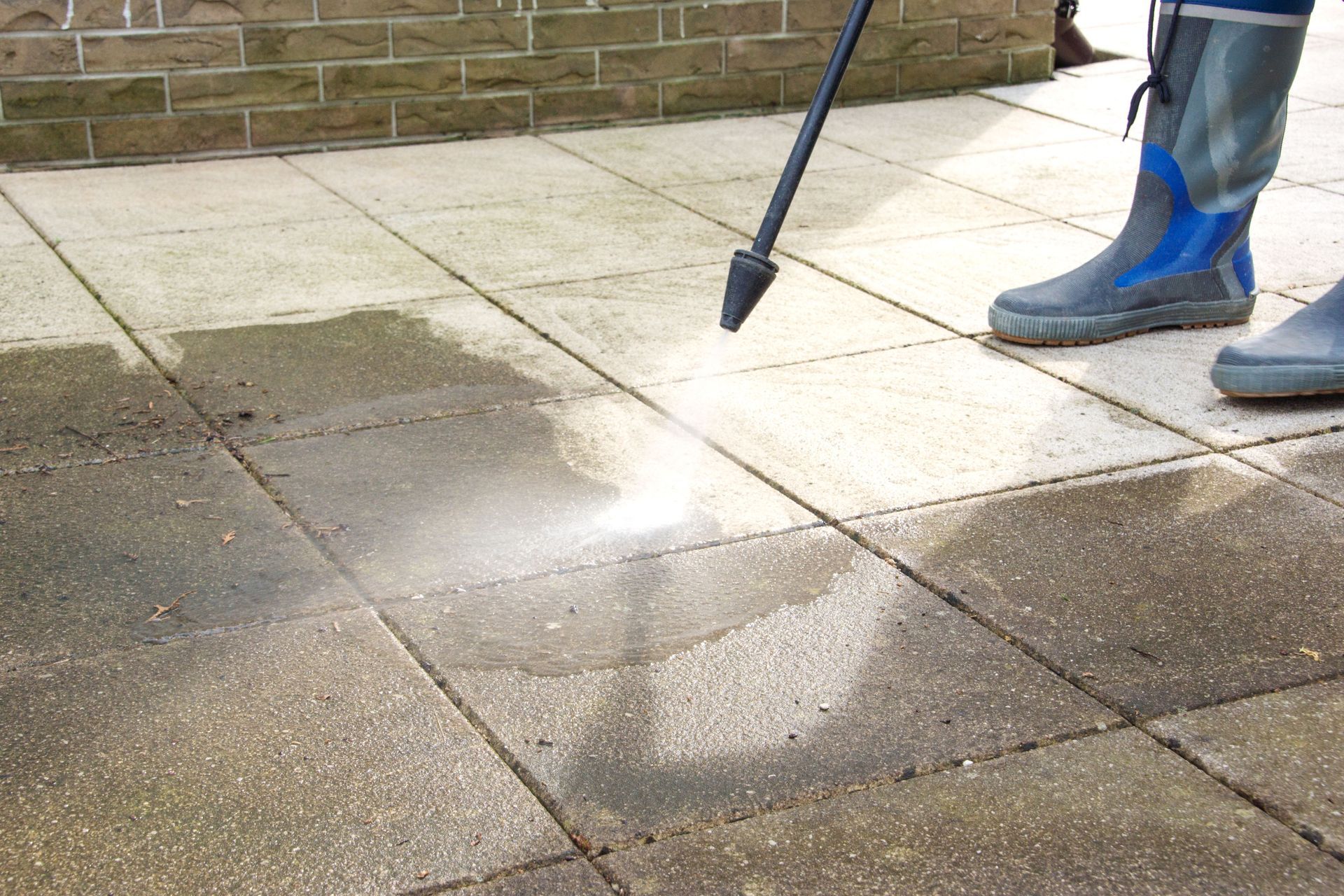
Once the site assessment is complete, technicians carefully select and calibrate their cleaning equipment. The choice of machinery depends entirely on the material density and structural integrity of the targeted surfaces. Industrial-grade pressure washers with high pounds per square inch ratings are reserved for resilient materials like poured concrete and brick pavers. Conversely, low-pressure soft washing systems equipped with wide-angle nozzles are selected for delicate surfaces like vinyl siding, painted wood, and asphalt shingles. Calibrating equipment pressure and water flow rates prior to cleaning ensures maximum efficiency while safeguarding building materials from accidental abrasion.
Establishing comprehensive safety protocols is equally vital during job-site setup. Technicians establish secure work perimeters using safety cones and directional signage to keep family members, pets, and passersby at a safe distance. Operating technicians wear specialized personal protective equipment, including safety goggles, heavy-duty gloves, and non-slip boots. Furthermore, environmental protection measures are implemented immediately to prevent chemical runoff from entering local storm drains. Utilizing eco-friendly, biodegradable cleaning detergents and managing water flow keeps the workspace fully compliant with local environmental guidelines and safety standards.
Protecting surrounding landscaping and household fixtures is the final preparation priority. Technicians cover delicate flower beds, ornamental shrubs, outdoor furniture, light fixtures, and electrical outlets with heavy-duty waterproof tarps. Pre-wetting nearby vegetation with clean water creates a protective barrier that prevents foliage from absorbing stray cleaning solutions. Furthermore, applying an eco-friendly pre-treatment detergent to stubborn stains softens deep-seated grime, setting the stage for a seamless wash process.
Executing Customized Surface Cleaning Techniques
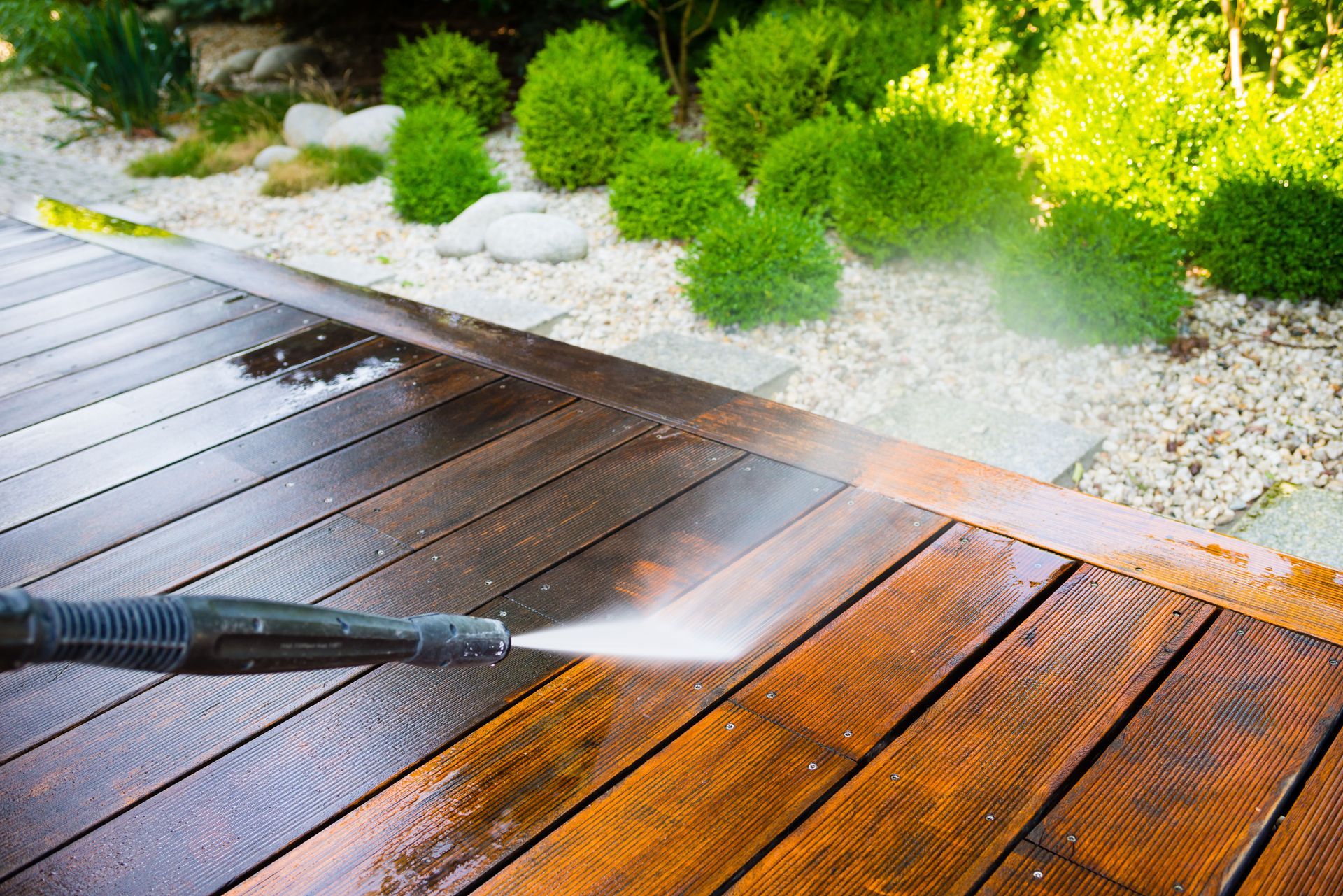
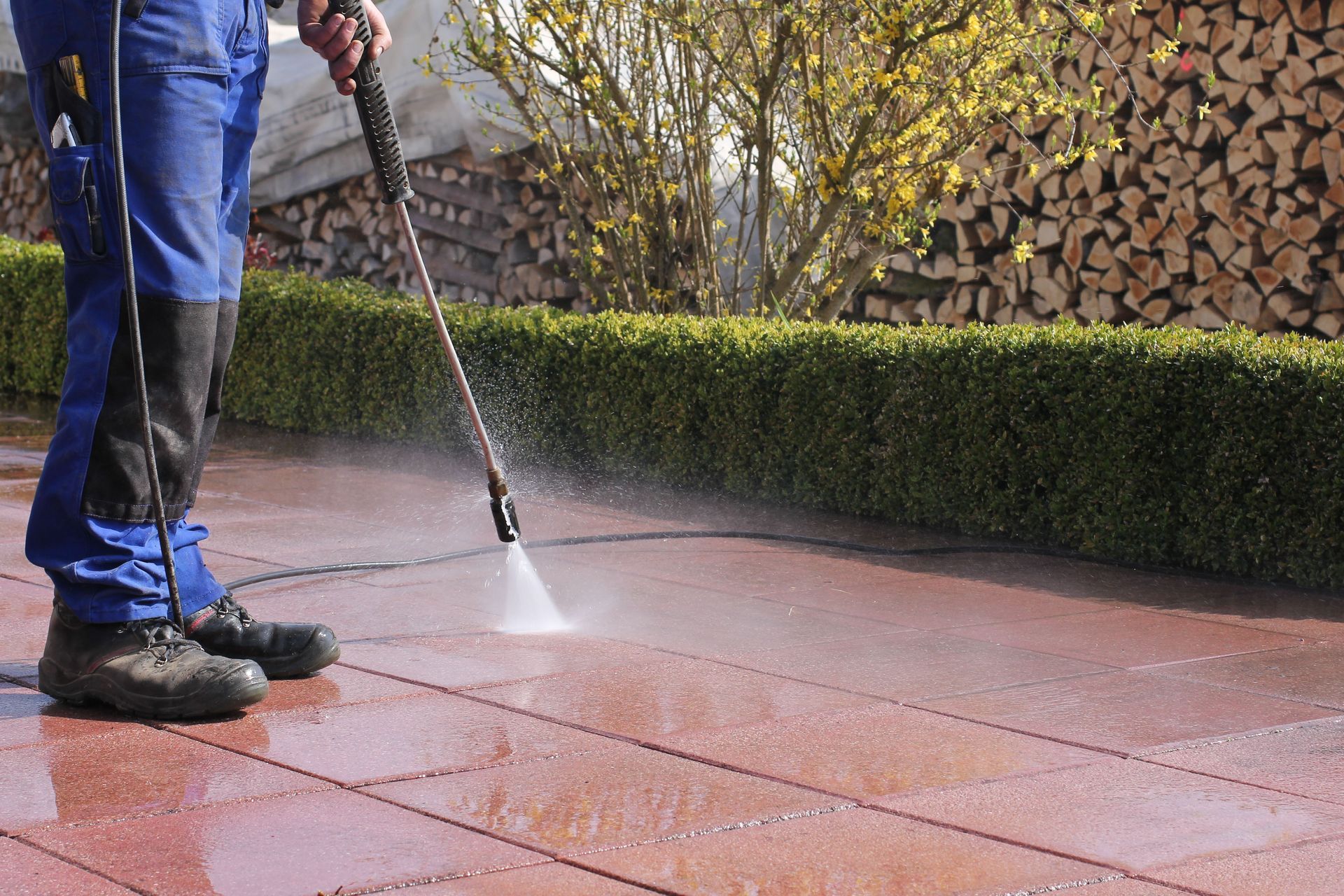
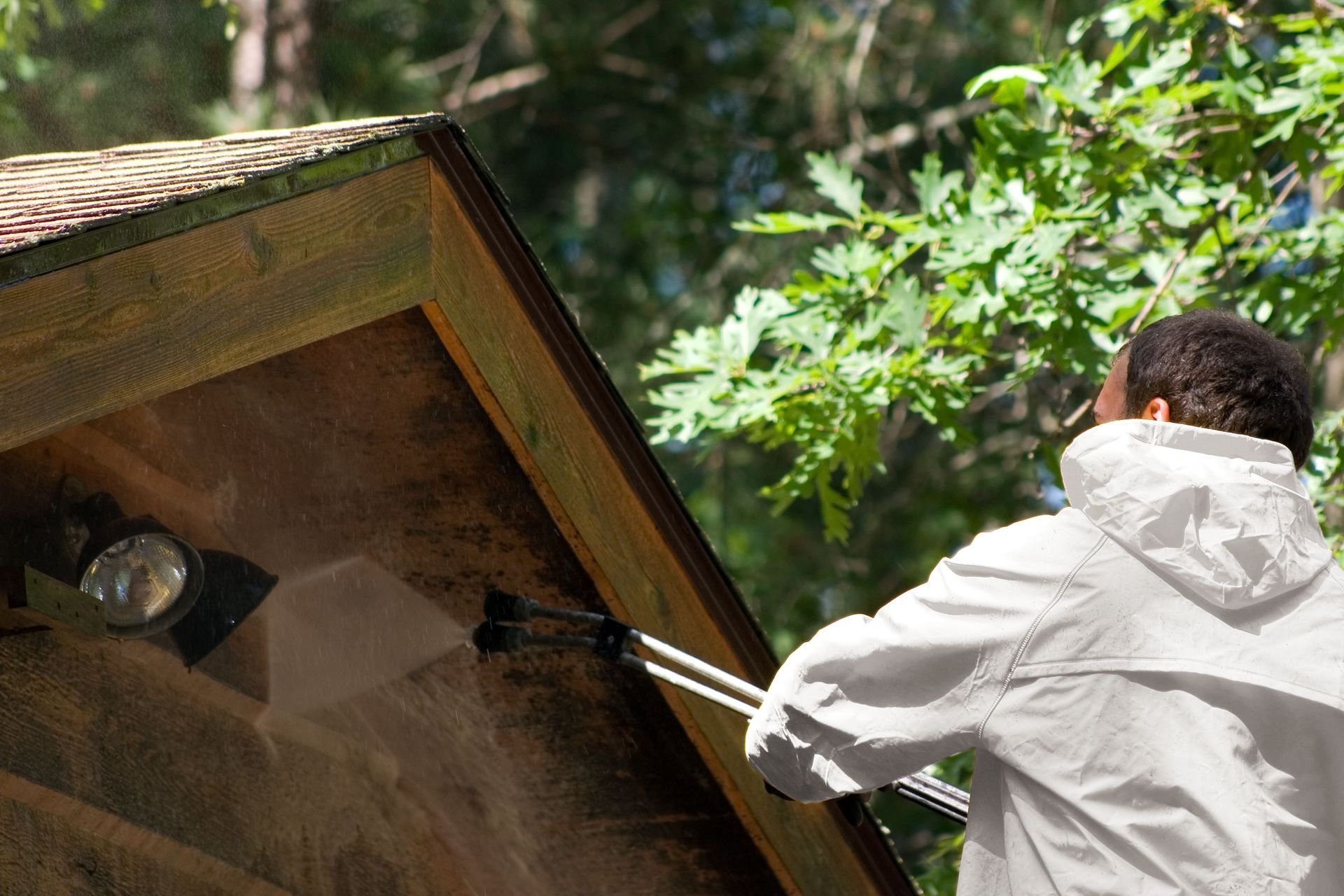
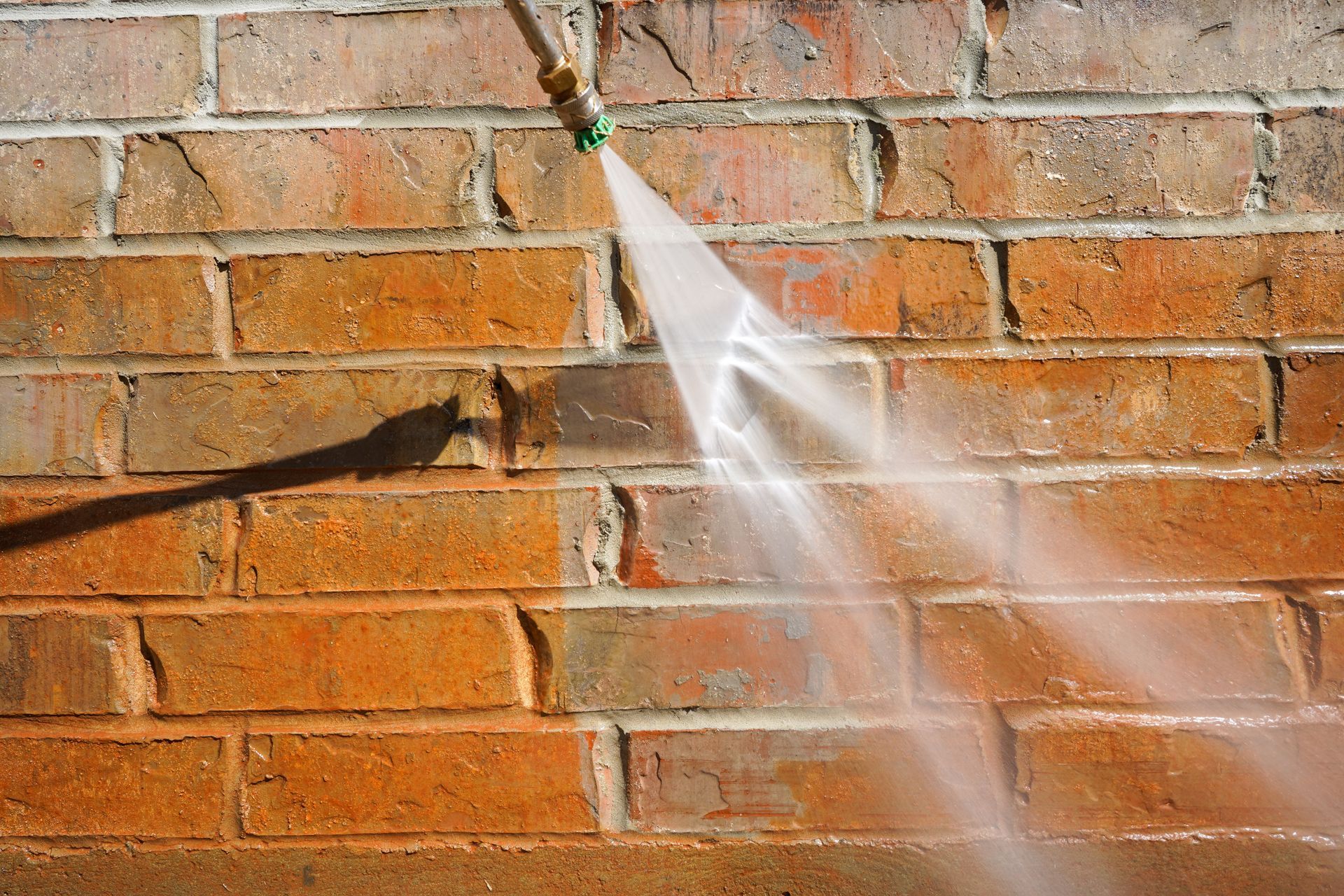
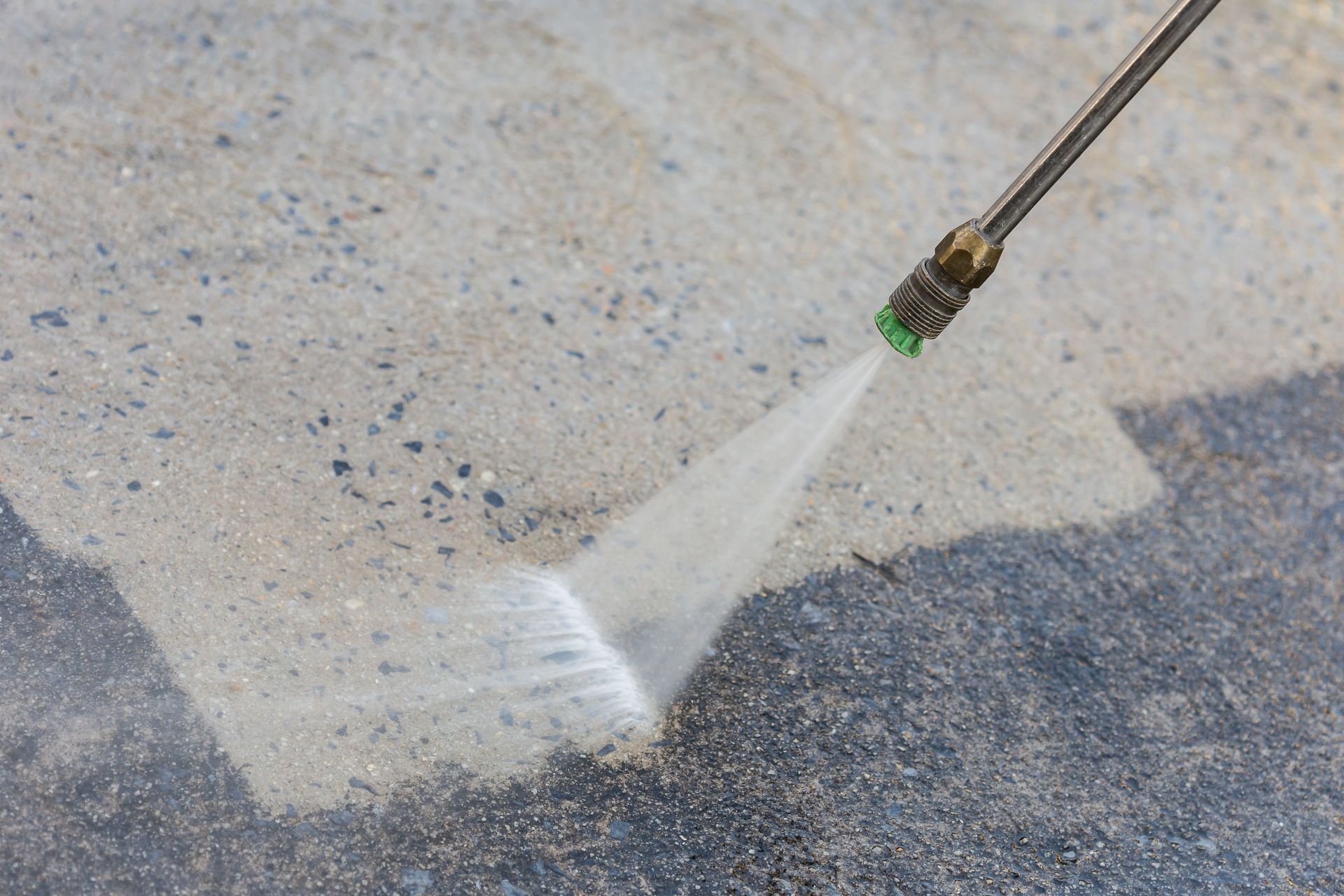
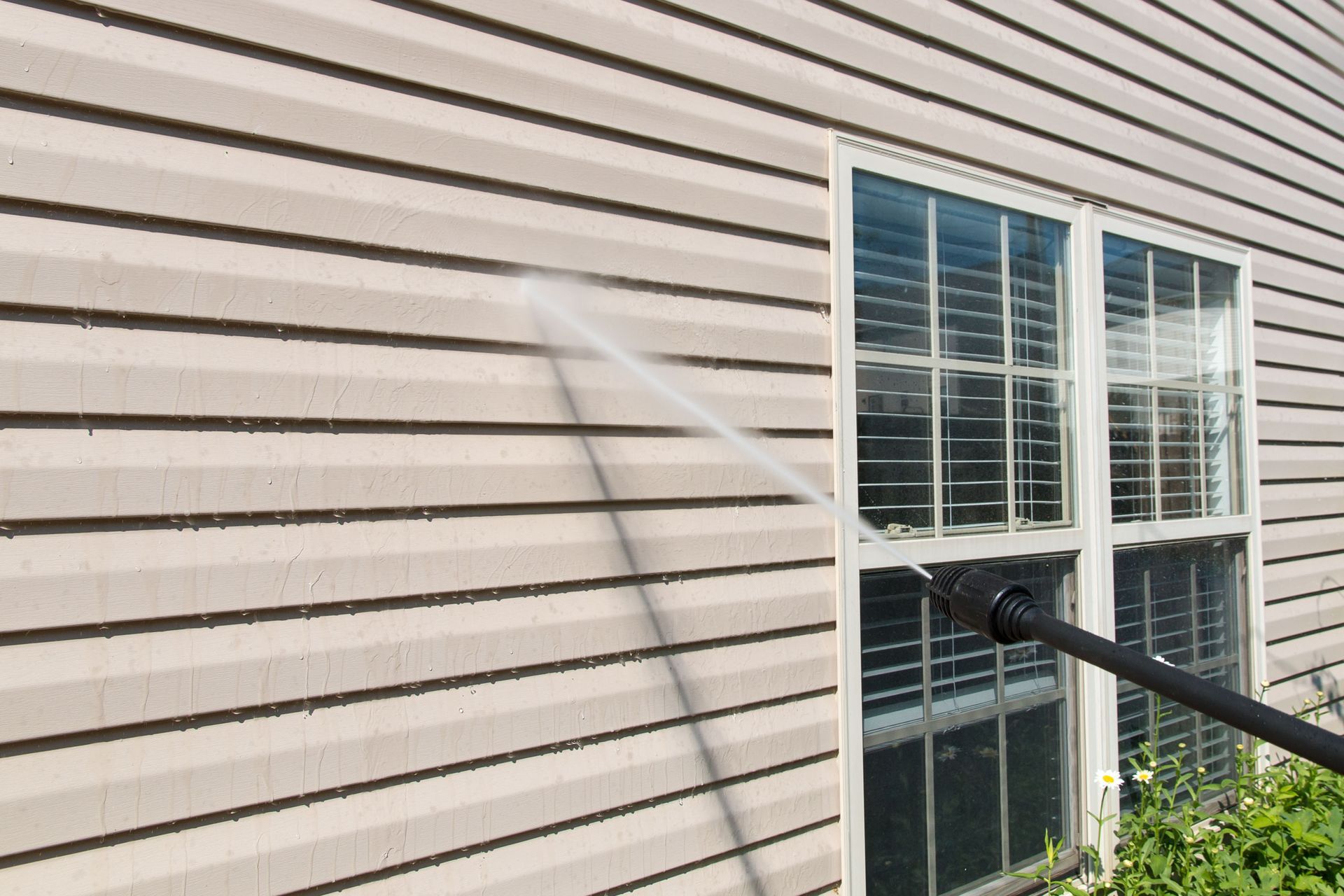
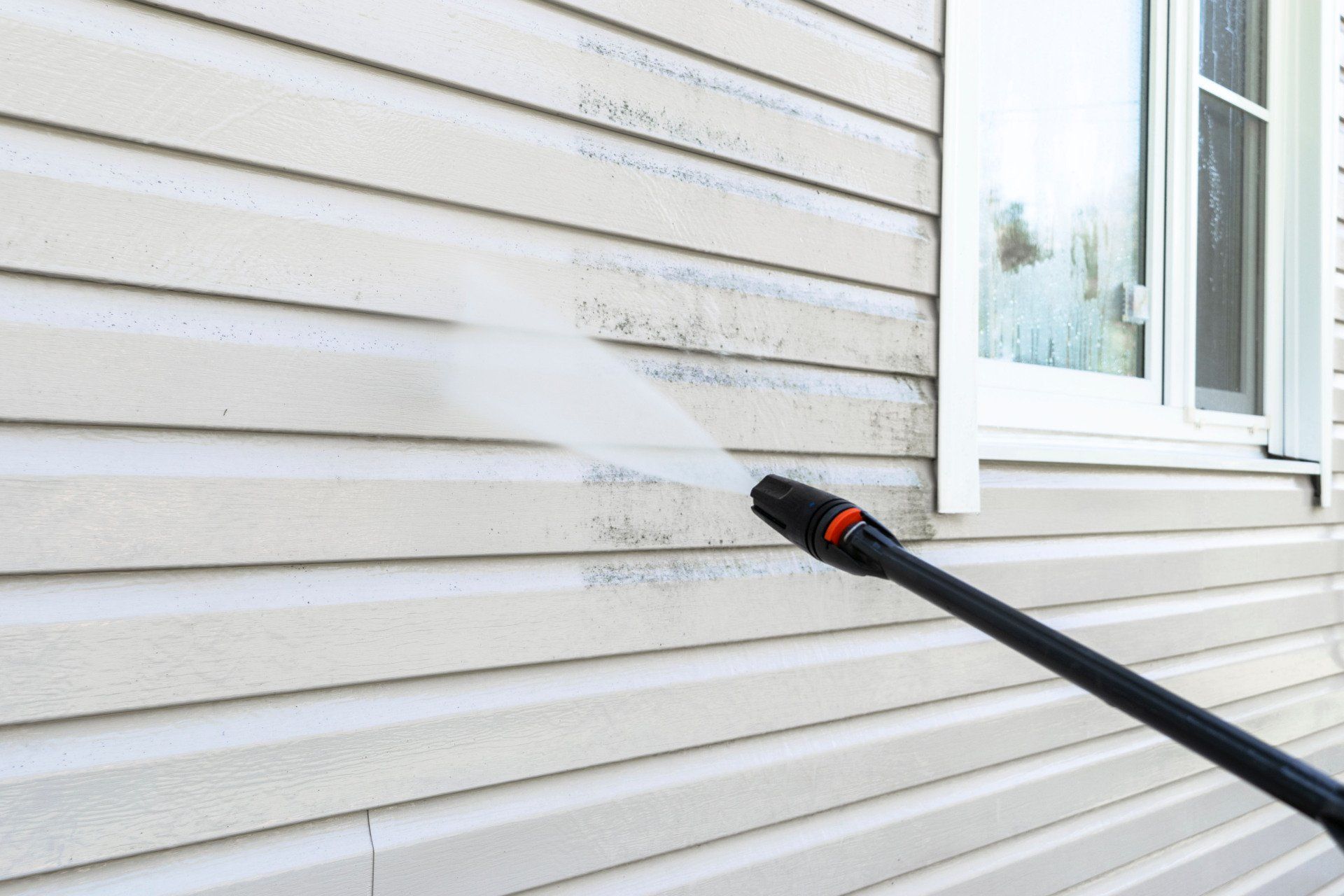
The actual execution phase highlights the value of skilled trade expertise through surface-specific cleaning protocols. Technicians continuously adapt their wand movements, spray angles, and standoff distances based on the material being washed. Driveways and masonry receive high-pressure water streams to blast away embedded dirt, while vertical siding and wood trim receive gentle, low-pressure soft wash applications. Customizing technique to match material density ensures deep dirt removal without stripping paint, forcing water behind lap siding, or gouging delicate wood grain.
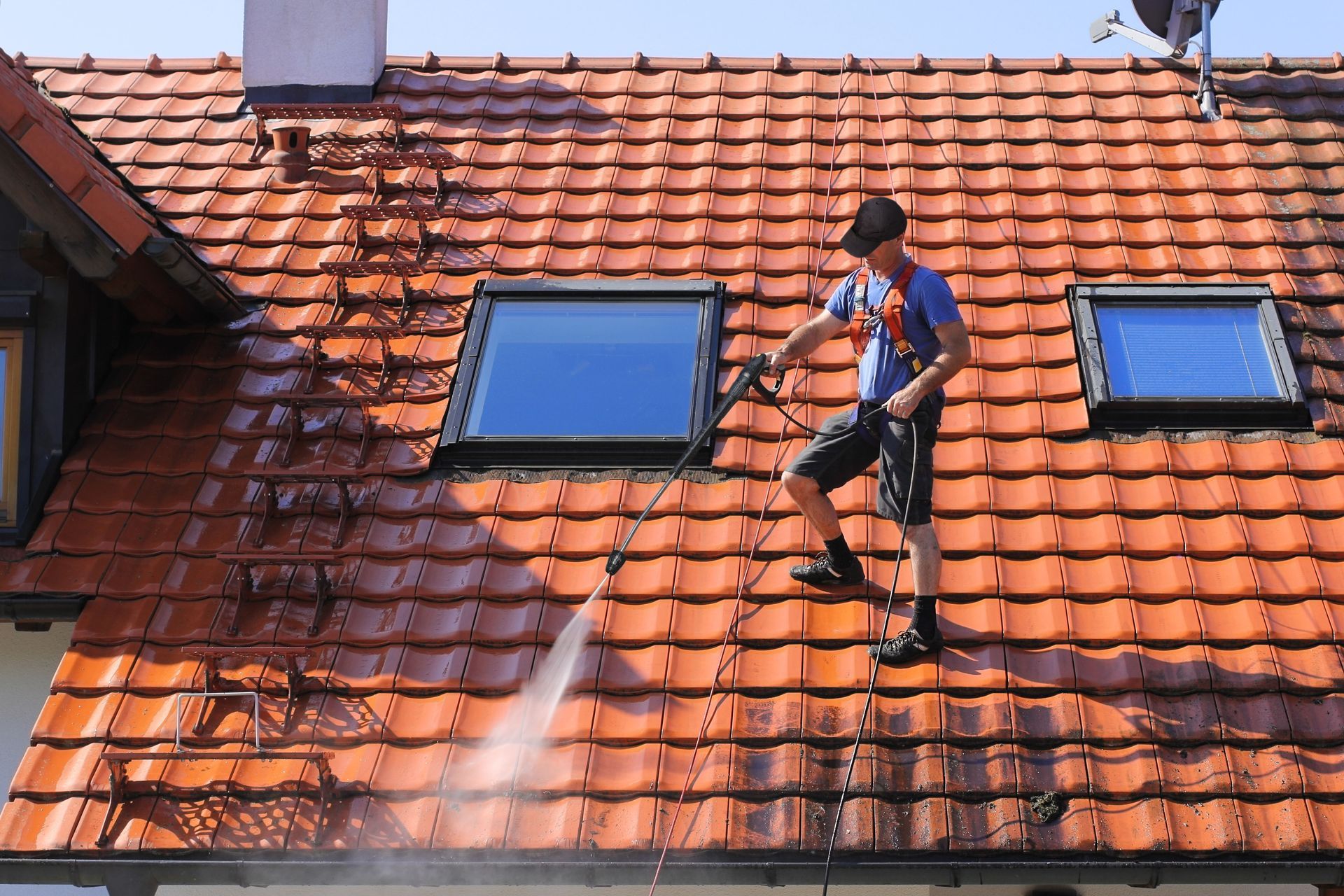
Managing water pressure levels dynamically throughout the wash process is essential for maintaining consistent safety and cleaning effectiveness. Technicians actively monitor surface feedback and adjust water flow rates on the fly to match changing material conditions. Maintaining strict distance control prevents high-pressure water from causing surface etching or material furring. Whether restoring a dense concrete patio or washing a delicate roof line where roofing materials last 25–50 years under proper maintenance, using precise pressure management guarantees thorough grime removal without compromising structural integrity.
Applying eco-friendly, biodegradable cleaning detergents reinforces modern industry standards for environmental sustainability. Specialized soft-wash solutions break down organic growth like black algae, lichen, and mildew at the molecular level, lifting stains away without requiring excessive water pressure. These green cleaning solutions prevent chemical runoff from harming surrounding lawn soil, garden beds, or local groundwater supplies. Homeowners who schedule an eco-friendly power washing service enjoy pristine, sanitized outdoor surfaces while maintaining a safe, non-toxic environment for their pets and local wildlife.
Conducting Post-Cleaning Audits and Inspections
Upon finishing the primary washing cycle, technicians conduct a detailed post-cleaning inspection to evaluate visual results. They systematically review every square foot of the property to confirm that all target zones meet professional cleanliness standards. Technicians check vertical wall seams, window ledges, and tight corners to ensure no residual dirt, detergent film, or water spots remain. This quality control phase ensures that the work satisfies the high performance benchmarks promised during the initial consultation.
Identifying lingering spots during the post-cleaning audit allows technicians to perform targeted touch-ups immediately. Stubborn oil drips or heavy sap accumulations often require a second pass with specialized biodegradable degreasers or spot-treatment brushes. Technicians inspect high-visibility areas closely, reapplying targeted solutions to lift persistent discoloration. Providing a thorough completion check guarantees that every section of the home exterior shines evenly without leaving missed patches or streaky residues.
Assessing final surface integrity ensures that no accidental material degradation occurred during the cleaning process. Technicians verify that window seals, stucco coatings, and siding panels remain tight, undamaged, and dry underneath. Special care is taken when examining rooflines and gutter troughs, verifying that sensitive shingles remain fully intact. Because a well-maintained roof represents a long-term asset lasting 25–50 years, confirming structural soundness provides property owners with total peace of mind regarding the safety of their building envelope.
Reviewing the overall customer experience rounds out the operational project cycle, solidifying a relationship built on quality, transparency, and care. Once the washing is complete and the final walkthrough is approved, technicians take time to collect honest client feedback and service reviews. This vital input helps maintain high service standards while ensuring that every client expectation has been thoroughly satisfied. To prevent future buildup of grime, algae, and atmospheric staining, technicians often recommend establishing a proactive recurring maintenance plan. Scheduling annual or bi-annual service visits protects your property year-round, stopping contaminants before they can degrade exterior finishes or compromise structural building materials.
Beyond delivering technical excellence, expressing genuine gratitude for the client's business reinforces a dedicated, customer-first service philosophy. A successful exterior cleaning project is defined not only by pristine surfaces, but also by the trust and confidence established throughout the entire process. When you are ready to restore your home's exterior, protect your building materials, and boost curb appeal, trust the experienced cleaning specialists at All Clean Power Washing to deliver superior results, reliable craftsmanship, and exceptional service tailored to your property.


Share On: